Let’s write your story, your way.
Thoughtful, self-paced writing studies from award-winning author Huma Qureshi, designed to help you build a steady, confident and inspired writing practice.
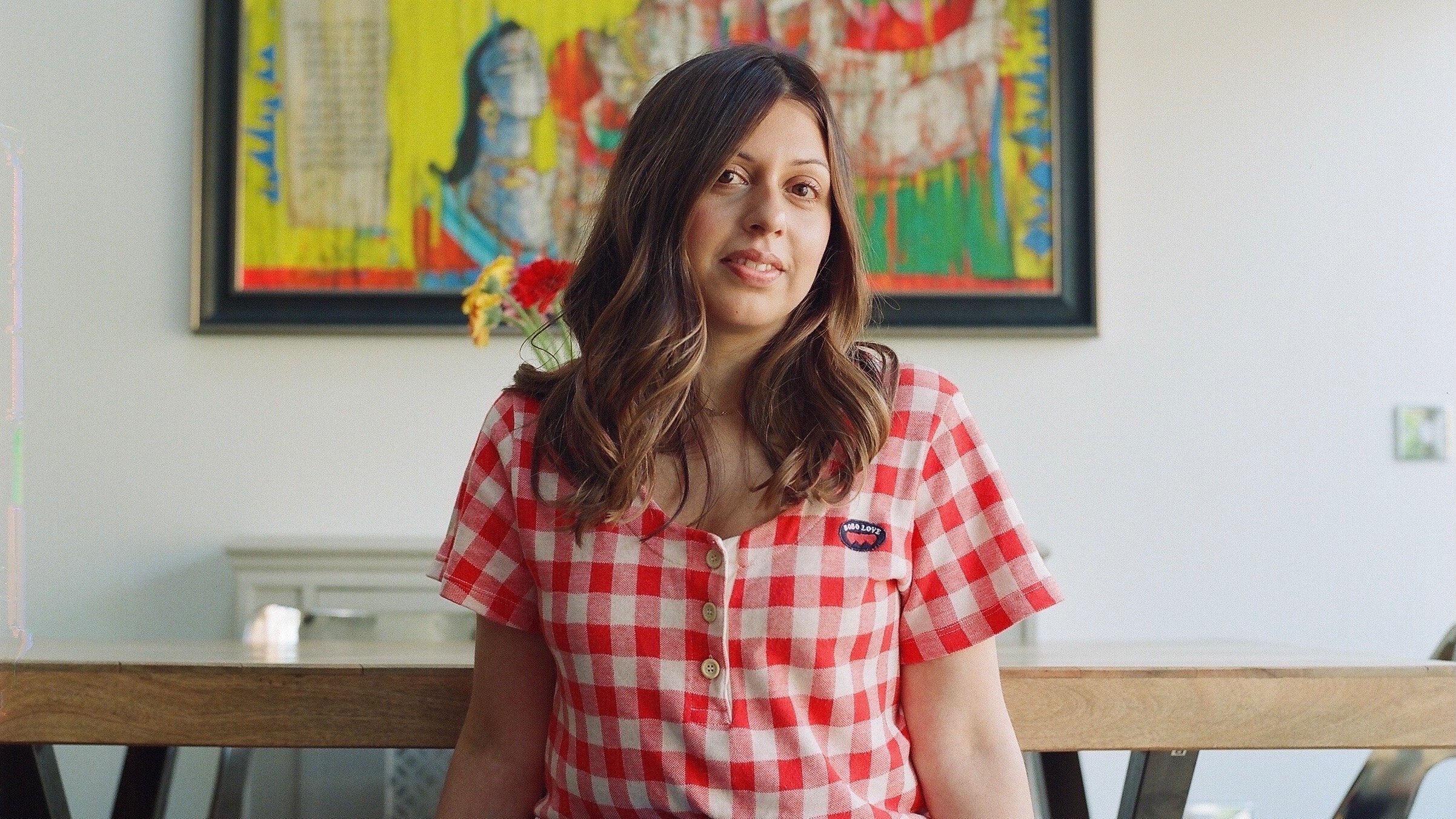
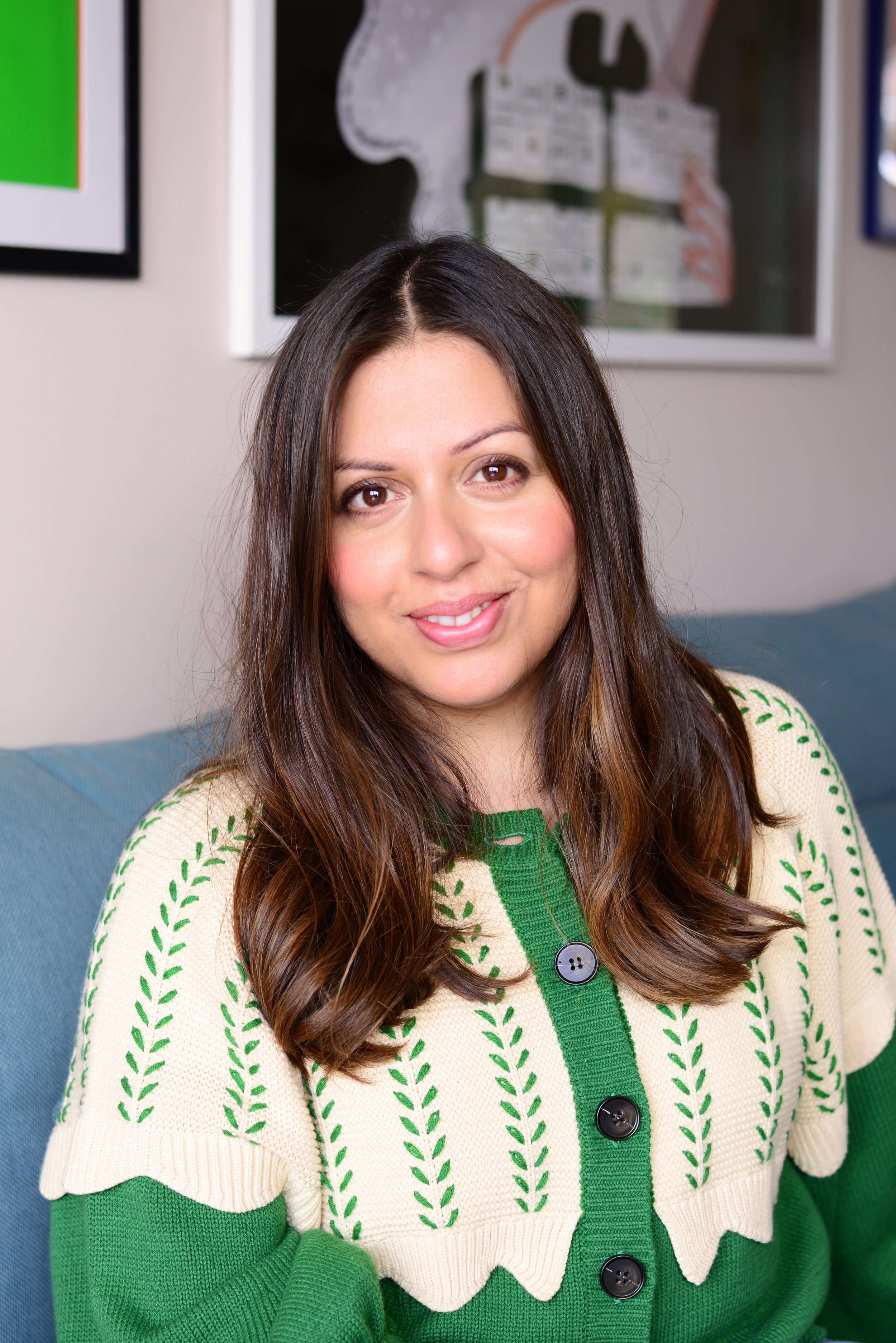
Hello, I’m Huma.
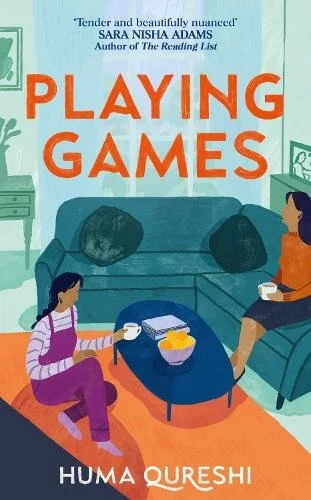
I’m an award-winning author and I teach creative writing through self-paced studies and occasional small-group workshops, designed to feel thoughtful and unpressured and to be taken gently, alongside a busy life.
Writing, for me, is first and foremost a pleasurable pursuit and I made these studies for people who want to write seriously, but gently.
Three self-paced studies, offering different ways into the work of writing.
-

Postcards Home
A six-part introduction to personal life writing.
-

Before The Story
A six-part study on the craft of writing creatively.
-

Homecoming
Your gentle audio companion guiding you on the path to creativity
‘I write for a living but this course inspired me to write with a different perspective. I’ve fallen back in love with writing again.’
— Faye
‘Your course was lovely, light and eased me into writing. I’ve always been afraid to pursue writing, and it gave me the courage to believe I really can do it.’
— Laura
‘This is the most intimate writing course I have ever taken. I felt so held, and Huma was incredibly generous with what she shared.’
— Saddal
‘I love how you teach, like a friend standing behind me at my writing desk with an encouraging hand on my shoulder.’
— Sophie
‘I enjoyed this course so much that I’m planning to repeat it. You gave me permission to explore feeling in my writing, without pressure or expectation.’
— Anne
‘Your words always bring me back to the reason I love to write so very much.’
— Alicia
‘I’m a songwriter, and since taking the course I’ve written three new songs. It helped me return to my creative work with confidence.’
— Anne S